


If you’re an Army soldier facing a service remaining requirement (SRR) for a new assignment, school, or promotion and you’re not ready to extend or reenlist, the army dcss—Army acronym for Declination of Continued Service Statement—might be exactly what lands on your desk. This official form gives you a structured, voluntary way to decline additional service time without it being treated as refusing lawful orders. Understanding the army dcss can protect your career options and help you plan your future with confidence, whether you’re stationed stateside or preparing for a big move.
Soldiers across the US Army, from bustling bases in California and Dallas-Fort Worth area to installations in Massachusetts, Ohio, and Maryland, regularly encounter the army dcss during retention counseling. The dcss army process is detailed in AR 601-280 and uses DA Form 4991. Knowing when and how to handle an army dcss statement can mean the difference between a smooth transition out or unexpected career impacts. In this comprehensive guide, we’ll break down everything you need to know in clear, practical terms.
What Is Army DCSS and Why It Matters for Today’s Soldiers
The army dcss stands for Declination of Continued Service Statement. It is the formal document a soldier signs when they choose not to extend or reenlist to meet a Service Remaining Requirement (SRR) triggered by new orders, schooling, or other commitments. This army acronym dcss is not about declining the assignment itself but declining the extra obligated service needed to fulfill it.
For soldiers with four or more years of service (beyond initial term), the dcss army process kicks in when your current ETS won’t cover the required months. Career counselors walk you through options, and if you refuse, you initial the consequences on the form. This protects you from being forced into unwanted extensions while creating a clear record in your personnel file. Many troops in high-tempo units appreciate having this tool available.
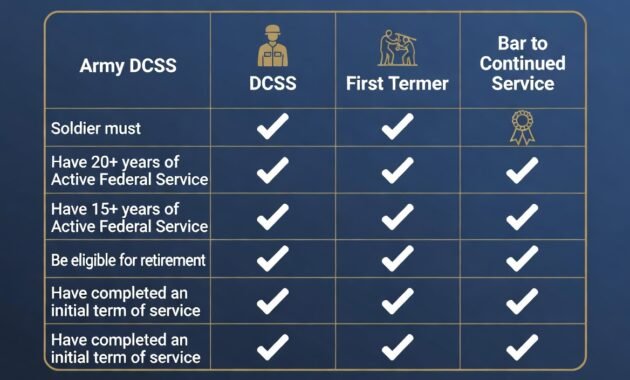
Quick Comparison Table: Army DCSS vs. Other Options
| Aspect | Army DCSS | First Termer Statement | Bar to Continued Service |
|---|---|---|---|
| Who Uses It | Soldiers post-initial term | Initial enlistment soldiers | Command-initiated for performance |
| Purpose | Decline extra service for SRR | Similar but lighter consequences | Administrative hold |
| Form | DA Form 4991 | Written statement | DA Form 4126 or similar |
| Promotion Impact | Non-promotable immediately | Limited | Varies |
| Reenlistment | Blocked until ETS | Case-by-case | Often blocked |
This table helps soldiers quickly see where the army dcss fits in their options.
DA Form 4991: The Official Army DCSS Document Explained
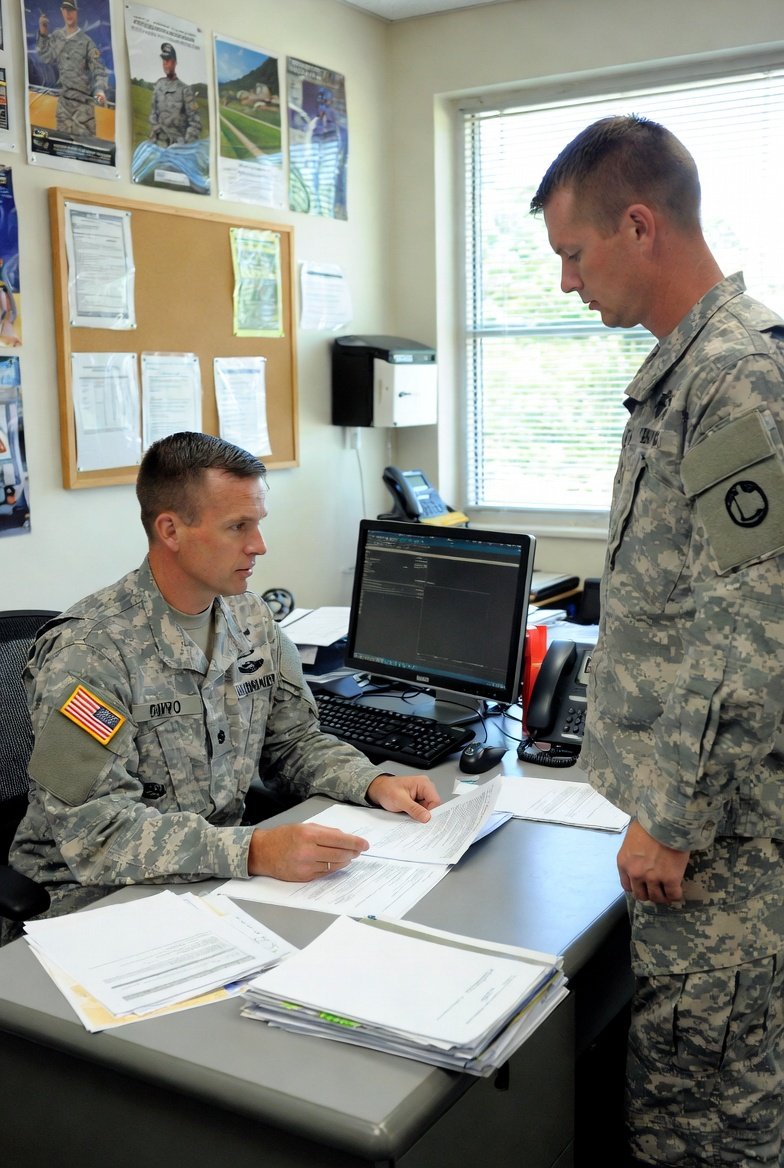
DA Form 4991 is the heart of every army dcss. This form captures your details—name, rank, SSN, unit, ETS date—and the specific SRR months required. Section A, handled by your PMOS 79S career counselor, lists every consequence you must acknowledge by initialing. Section B is your signature acknowledging understanding, and Section C involves commander review.
The form explicitly states that by signing the dcss army statement, you understand impacts like non-promotable status and restrictions on future actions. Always keep your copy and verify it enters iPERMS correctly. Soldiers in locations like Fort Cavazos (Texas), Joint Base Lewis-McChord, or Maryland installations often go through this exact process during PCS season.
When and Why Soldiers Encounter Army DCSS Requirements
The army dcss typically appears during EDAS-generated assignment instructions that demand more service time than you currently have obligated. Common triggers include:
- PCS to OCONUS or high-demand CONUS locations
- Attendance at lengthy PME courses (e.g., advanced leadership schools)
- Operational commitments or special duty assignments
In states like California (with multiple major bases), Ohio, and Massachusetts, soldiers report frequent counseling sessions as units manage manning. The army acronym dcss ensures transparency—your counselor must explain all ways to meet the SRR before you decide.
Step-by-Step: The Army DCSS Counseling and Signing Process
- Notification — EDAS flags the SRR.
- Counseling — Career counselor reviews options (extension, reenlistment, waiver).
- Form Completion — Initial consequences on DA Form 4991.
- Commander Review — Section C signed within 45 days.
- Filing — Updated in your record with flag code (often 9Q).
This structured dcss army process prevents surprises and gives you time to think.
Major Consequences of Signing an Army DCSS
Signing the army dcss triggers several career effects under AR 601-280:
- Immediate non-promotable status and removal from promotion lists
- Ineligibility for reenlistment/extension during current term
- Bar on commissioning, warrant programs, and most schools
- Restrictions on reentry (93 days after normal ETS; 2 years if early Chapter 16)
- No separation pay eligibility
However, it does not mean an automatic bad discharge. Clean records typically result in honorable separation.
Real Impacts Table by Location (Examples from Soldier Reports)
| Location | Common DCSS Triggers | Typical Soldier Experience |
|---|---|---|
| California Bases | PCS to Korea/Japan, PME | High volume due to large troop numbers |
| Texas (Dallas area) | Operational deployments | Frequent during force rotations |
| Ohio/Maryland | School assignments | Strong support from local retention offices |
| Massachusetts | Specialized training | Focus on career counseling quality |
Army DCSS vs. Declining Orders: Clearing Up the Confusion
Many soldiers on Reddit and forums confuse army dcss with simply declining orders. The army acronym dcss specifically addresses service time, not the assignment itself. You may still receive follow-on orders you can fulfill with existing time.
Chapter 16 Voluntary Separation After Army DCSS
One key benefit: eligibility for voluntary separation under AR 635-200 Chapter 16. This often allows you to ETS earlier once the dcss army is on file, subject to command approval and unit needs.
AR 601-280 and Official Regulations for Army DCSS
AR 601-280 (Army Retention Program) and DA PAM 601-280 provide the complete framework. Always reference the latest versions on Army Publishing Directorate sites for 2026 updates.
Real Soldier Experiences with Army DCSS Across the US
Soldiers in California often share stories of using army dcss during high OPTEMPO periods to align with family plans. In Texas and Ohio, many discuss it as a tool for clean career exits without burning bridges. Forums highlight the importance of thorough counseling.
Promotion, Reenlistment, and Future Opportunities After Signing an Army DCSS
Signing an army dcss—that official Declination of Continued Service Statement—feels like slamming the brakes on your active-duty career trajectory, and in many ways, it does. The army acronym dcss immediately flags you as non-promotable. You get pulled from promotion lists, and doors to advanced schools, warrant officer programs, or officer candidate routes slam shut while the form is active. Reenlistment or extensions during your current term? Generally off the table too. This comes straight from AR 601-280 and DA PAM 601-280 guidelines that retention counselors follow across bases from California to Texas.
But here’s the truth many soldiers discover the hard way: an army dcss doesn’t burn your bridges forever. It’s a managed pause, not a career death sentence. Once you reach your ETS and separate (often under Chapter 16 provisions), the restrictions lift after specific waiting periods. Many troops successfully return through the Army Reserves or National Guard, where the dcss army impact is far less severe. Some even come back active duty after the mandatory cooling-off time—typically 93 days post-normal ETS or up to two years if it was an early separation.
I’ve talked to guys at Fort Irwin in California and Fort Cavazos in Texas who signed the army dcss form to prioritize family or avoid a tough PCS, then used the time to finish degrees or certifications. One E-5 from Ohio shared how he transitioned to a defense contractor job making solid money, then later joined his local Reserve unit. The key? Keeping your record clean—no flags, strong NCOERs, and solid mentorship during the process. Future opportunities exist, but they require planning.
Realistic Post-DCSS Timeline Table (Based on Common Experiences and Regulations)
| Time After DCSS/ETS | Promotion/Reenlistment Impact | Common Paths Forward |
|---|---|---|
| Immediate | Non-promotable, no extensions/reenlistment | Focus on current duties, skill building |
| 0-93 days post-ETS | Restrictions remain | Prepare separation packet, VA benefits |
| 93 days – 2 years | Possible reentry window | Reserves/Guard, civilian careers |
| 2+ years | Full eligibility possible with waiver | Return to active duty or new MOS reclass |
This table comes from patterns seen in soldier forums, BCMR cases, and official retention guidance.
The us army dcss process reminds everyone that the Army values informed choices. Use the time wisely—build your network, knock out online courses through Army e-learning, and document everything. Many soldiers in Maryland and Massachusetts installations leverage nearby veteran resources to turn the transition into a launchpad rather than a setback.
How to Fill Out and Track Your Army DCSS Paperwork Correctly
Getting the army dcss paperwork right is crucial because mistakes can drag things out or create headaches later. The official document is DA Form 4991 (or 4991-R in older references). Your career counselor (PMOS 79S) handles most of Section A, listing the specific Service Remaining Requirement (SRR) in months, the reason (PCS, school, etc.), and all the consequences you must initial.
Step-by-Step Practical Guide Soldiers Actually Use:
- Attend Counseling Seriously — Don’t rush. Ask about every option: extension, reenlistment bonus eligibility, waivers, or follow-on assignments you might already qualify for with existing time.
- Review Every Line — Verify your name, rank, SSN, unit, current ETS, and exact SRR months. Double-check the listed consequences.
- Initial Where Required — You acknowledge understanding impacts like non-promotable status and no future service actions during this term.
- Sign Section B — Your signature makes it official. If you refuse to sign, the commander or 1SG will note it with a witness.
- Commander Review (Section C) — This must happen within timelines (often 45 days from notification).
- Track It — Request a copy immediately. Follow up to ensure it posts correctly in iPERMS and EDAS. Check your IMREPR code (often a restriction flag).
Soldiers at big California bases like Fort Irwin say persistence pays off—email your counselor and S1 weekly if needed. In Dallas-area units, many recommend taking photos (securely) of the signed form for your personal records before it disappears into the system. Accurate tracking prevents surprises during future actions or when applying for benefits.
Can You Remove or Reverse a Signed Army DCSS?
Yes, but it’s not easy or guaranteed. Reversal of an army dcss is handled as an exception through Human Resources Command (HRC). You typically need strong justification—procedural error during counseling, new compelling circumstances (like a family emergency that wasn’t known at the time), or command support.
From Army Board for Correction of Military Records (ABCMR) cases, successful removals often involve documented proof that counseling was inadequate or that signing was under duress. One soldier successfully petitioned years later by showing the dcss army statement was processed without full explanation of alternatives.
Practical Advice:
- Document every conversation with dates, names, and what was discussed.
- Consult your JAG office early—free legal help is available.
- Gather statements from your chain of command supporting removal.
- Submit through proper channels with a DA Form 4187 or memorandum.
Reversals are rare but possible, especially if acted on quickly (within the 45-day window in some cases). For most, it’s smarter to treat the army dcss as final and plan your transition accordingly.
Army DCSS in Special Circumstances: Medical, Family, and More
Life doesn’t stop when assignment orders hit. Medical profiles, pregnancy, family hardships, or other issues can intersect with the army dcss process.
If you have a temporary or permanent profile, coordinate closely with your medical team. Some conditions allow extensions or delays in the SRR process. Family hardship cases might qualify for compassionate reassignments or exceptions—talk to your chaplain, JAG, and commander.
Soldiers with young kids in Ohio or Maryland installations often share stories of using medical documentation to adjust timelines. The army dcss form itself doesn’t automatically account for these, so proactive communication is key. Never assume the system will automatically accommodate you—advocate with paperwork in hand.
State-Specific Considerations for Soldiers Facing Army DCSS (California, Texas, Ohio, Maryland, Massachusetts)
Different states and bases bring unique flavors to the army dcss experience due to local resources, base size, and veteran support.
California: With massive installations like Fort Irwin and others, you’ll find experienced career counselors who handle dozens of dcss army cases monthly. Post-separation, tap into California’s strong veteran employment programs and GI Bill resources. Many use the time to transition into tech or logistics jobs near major cities.
Texas / Dallas Area: Around Fort Cavazos and other southern bases, community support for transitioning soldiers is excellent. Local veteran groups and job fairs are frequent. The us army dcss here often ties into high operational tempo, so soldiers report solid counseling but emphasize planning family moves early.
Ohio & Maryland: These areas feature strong retention offices and nearby installations. Maryland soldiers benefit from proximity to DC-area resources, while Ohio troops often highlight quality family support services. Education benefits post-service get heavy use here.
Massachusetts: Emphasis on education is huge. Many use the army dcss period to align with college semesters or technical training. Local bases focus on thorough career counseling.
No matter the state, leverage local VA offices, American Legion posts, and state-specific veteran affairs departments. They help with resume translation from military skills and connection to employers who value Army experience.
Preparing for Life After Signing Army DCSS: Transition Tips
Signing the army dcss is a pivot point—treat it like one. Start your transition early:
- Update your resume highlighting leadership, technical skills, and clearances.
- Connect with VA for benefits counseling (disability, education, home loans).
- Network on LinkedIn with fellow veterans in your field.
- Consider skillbridge programs or certifications while still in uniform if timing allows.
- Build an emergency fund—many soldiers in California and Texas note the importance of this buffer.
Thousands of soldiers have turned army dcss into a positive by walking away with honorable service, new skills, and clearer life goals. One composite story from multiple accounts: An E-6 from Maryland signed to be near aging parents, used VA Voc Rehab, landed a federal contracting job, and now mentors others going through the same process.
Common Myths and Facts About Army DCSS
Myth: Signing an army dcss means you’re getting kicked out immediately.
Fact: It’s voluntary and usually leads to separation at or near your normal ETS under Chapter 16. You keep serving until then.
Myth: The dcss army lets you decline any assignment or order.
Fact: It only addresses the extra service time required. You might still get orders you can fulfill with existing obligation.
Myth: It ruins your record forever.
Fact: With a clean history, you separate honorably and can pursue Reserves or civilian careers successfully.
Myth: You can’t do anything after signing.
Fact: Plenty of future opportunities exist—many soldiers thrive post-service.
The army acronym dcss exists to give soldiers a transparent, documented choice. Understanding it fully empowers better decisions for your family and future. Whether you’re at a California desert base, Texas post, or East Coast installation, the process is the same—but your preparation makes all the difference.