

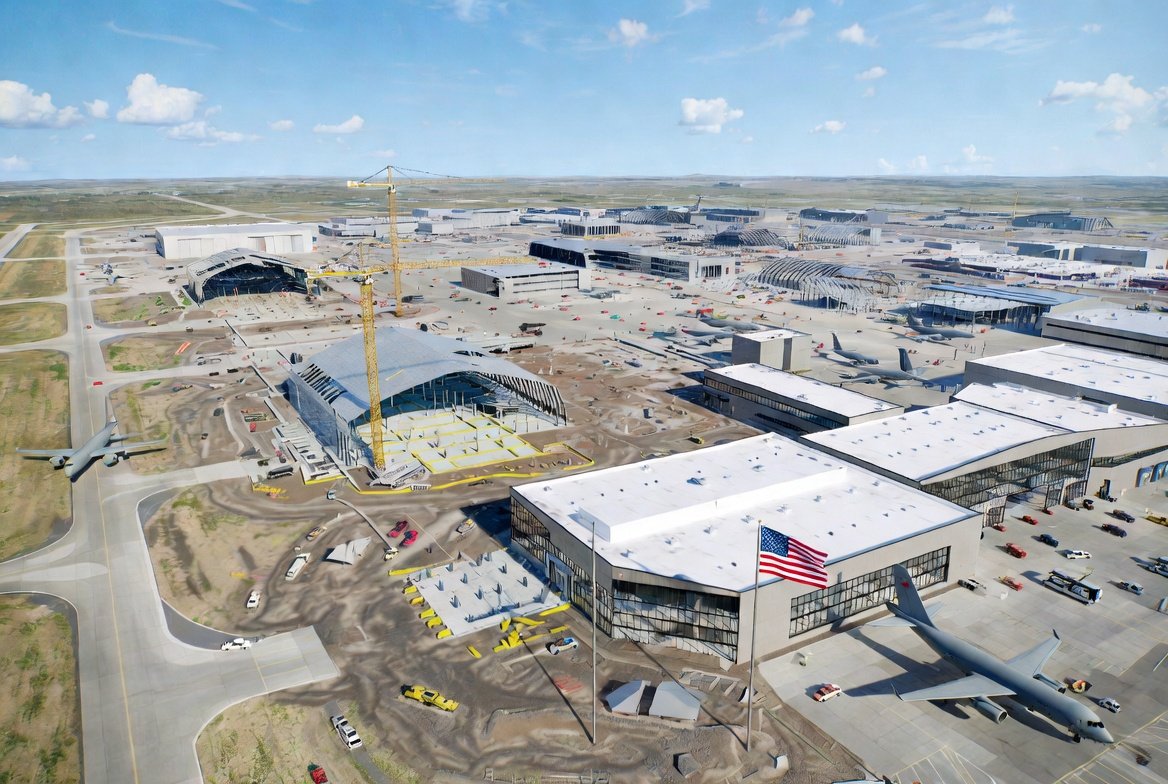
The Altus Air Force Base construction contract continues to generate significant interest among contractors nationwide as the U.S. Air Force invests in modernizing its vital training facilities. This major initiative under the Multiple Award Construction Contract (MACC) framework supports essential repair, renovation, and new build projects at the base, ensuring operational readiness for advanced aircraft training programs. With a focus on commercial and institutional building construction, the Altus Air Force Base construction contract opens doors for qualified firms to contribute to national defense infrastructure while boosting local economies in southwest Oklahoma.
Businesses eyeing federal opportunities find the Altus Air Force Base construction contract particularly appealing due to its broad scope and potential for multiple task orders over several years. From facility upgrades to support KC-46 operations and general maintenance, this program reflects ongoing commitments to sustain and enhance one of the Air Force’s key hubs for pilot and aircrew training.
Understanding the 2025-2026 Altus Air Force Base Construction Contract MACC Details
The Altus Air Force Base construction contract, formally known as the 2025 Altus Air Force Base Multiple Award Construction Contract (MACC) under solicitation FA441925R0001, represents a strategic Indefinite Delivery/Indefinite Quantity (IDIQ) vehicle managed by the 97th Contracting Squadron at Altus AFB, Oklahoma. This MACC enables the Air Force to efficiently award numerous task orders for construction, repair, and alteration projects without repeated full competitions, streamlining processes for urgent and routine needs at the base.
Originally posted with a proposal deadline in June 2025 following site visits in April, the program has evolved into active implementation by mid-2026. It emphasizes commercial and institutional building construction (NAICS code relevant to that sector), with strong preferences or set-asides for 8(a) businesses, small disadvantaged enterprises, and firms demonstrating bonding capacity up to $10 million single project and $30 million aggregate.
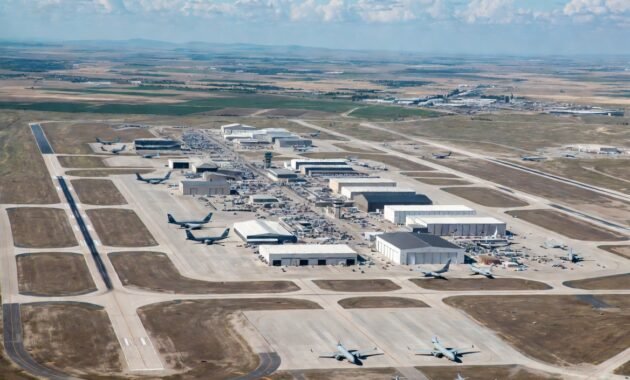
Key elements include performance and payment bonds backed by Treasury-listed sureties, detailed proposals via SF 1442 forms, and evaluations based on past performance, technical approach, and pricing. Amendments addressed bonding language, added RFI responses, extended deadlines, and refined pricing schedules to ensure clarity and fairness for all offerors.
By 2026, awarded contractors are actively engaged in various task orders. These range from minor repairs to larger facility modernizations that support the base’s mission. The flexible MACC structure allows quick response to emerging needs like infrastructure upgrades for training systems, dorm renovations, or utility improvements.
Contractors successful in the Altus Air Force Base construction contract benefit from long-term visibility into upcoming projects, fostering stable revenue streams. The base, home to the 97th Air Mobility Wing, requires ongoing investments to maintain runways, hangars, support buildings, and training simulators amid increasing demands from KC-46 Pegasus integration and other programs.
Local economic ripple effects are substantial. Successful bids often involve partnerships with Oklahoma-based subcontractors, suppliers, and labor forces, injecting millions into the regional economy around Altus, Oklahoma. This not only creates jobs in construction trades but also stimulates related sectors like material supply, engineering consulting, and logistics.
For firms new to federal contracting, navigating the Altus Air Force Base construction contract involves registering in SAM.gov, understanding FAR clauses, preparing for site visits, and building strong past performance narratives. The emphasis on bonding capacity ensures only capable firms participate, reducing risks for the government while rewarding experienced players.
In practice, projects under this MACC cover a wide spectrum: interior fit-outs, exterior repairs, site work, demolition, and new construction elements. Safety protocols, environmental compliance, and adherence to military standards (such as UFC criteria) are non-negotiable, demanding high expertise from bidding teams.
As of June 2026, updates indicate active task orders progressing, with more anticipated throughout the contract period, potentially extending into 2030. This provides a reliable pipeline for qualified contractors seeking steady Department of Defense work.
The Altus Air Force Base construction contract stands out for its balance of opportunity and rigor. It rewards preparation and capability while contributing directly to U.S. airpower projection capabilities. Whether you’re a general contractor, specialty subcontractor, or consultant, understanding this MACC’s mechanics is essential for capitalizing on federal construction spending in 2026 and beyond.
Historical Background and Strategic Importance of Altus Air Force Base
Altus Air Force Base, located in Jackson County, Oklahoma, has served as a cornerstone of U.S. military aviation training since its establishment during World War II. Today, it hosts the 97th Air Mobility Wing, playing a critical role in training aircrews for tanker and transport aircraft, including the vital KC-46A Pegasus program. The ongoing Altus Air Force Base construction contract directly supports this mission by ensuring facilities remain state-of-the-art.
The base’s strategic location in the southern Great Plains offers ideal conditions for flight training with vast airspace and favorable weather patterns. Investments through the Altus Air Force Base construction contract help maintain this advantage, addressing aging infrastructure while incorporating modern technologies for simulator training, maintenance bays, and crew support buildings.
Over decades, Altus AFB has seen numerous upgrades, but the current MACC reflects accelerated needs driven by fleet modernization. The KC-46 beddown requires specialized hangars, fuel systems, and training infrastructure – areas actively addressed via task orders under the Altus Air Force Base construction contract.
Economically, the base is a major employer and economic driver for Altus and surrounding communities. Construction activities amplify this through direct contracts, indirect spending, and workforce development. Local businesses benefit from subcontracting opportunities, creating a multiplier effect in a region where defense spending is pivotal.
From an operational standpoint, reliable infrastructure minimizes downtime and enhances training throughput. Delays in maintenance or construction could impact readiness; hence the MACC’s importance in providing rapid, reliable execution capacity.
By 2026, the Altus Air Force Base construction contract integrates lessons from prior phases, incorporating sustainable practices, resilient design against weather extremes, and cybersecurity considerations for smart building systems.
This historical evolution underscores why the current contract is more than routine maintenance—it’s foundational to sustaining America’s mobility forces. Contractors involved gain prestige from contributing to such legacy infrastructure.
Expanding on this, similar bases across the U.S. (like those in California, Texas, or Maryland) follow comparable MACC models, but Altus stands out for its specialized tanker training focus. Understanding this context helps bidders tailor proposals effectively.
Key Features and Scope of Work in the Altus Air Force Base Construction Contract
The scope under the Altus Air Force Base construction contract is intentionally broad to cover diverse needs. Projects typically include repair or alteration of miscellaneous buildings, site improvements, utility work, and specialized aviation support facilities.
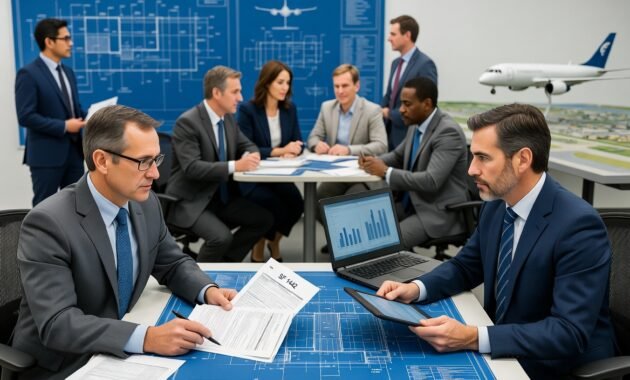
Task orders may encompass roofing, HVAC upgrades, electrical systems, interior renovations, paving, fencing, and environmental remediation. Emphasis is placed on quality, timeliness, and minimal disruption to ongoing flight operations.
Bonding requirements ensure financial stability, while technical evaluations reward innovative approaches to challenges like dust control in Oklahoma’s climate or integrating with existing secure systems.
By mid-2026, several task orders are underway, demonstrating the MACC’s effectiveness in delivering value.
Bidding Process and How to Win Altus Air Force Base Construction Contract Opportunities
Navigating the Altus Air Force Base construction contract requires thorough preparation, sharp strategy, and a deep understanding of federal procurement rules. The 2025 Altus Air Force Base Multiple Award Construction Contract (MACC) under solicitation FA441925R0001 is an 8(a) set-aside IDIQ vehicle focused on commercial and institutional building construction (NAICS 236220). By mid-2026, several contractors are already executing task orders, making this a prime time for qualified firms to position themselves for future opportunities.
The bidding process starts with SAM.gov registration and active 8(a) certification through the Small Business Administration. Offerors must demonstrate bonding capacity—typically single-project limits around $10 million and aggregate up to $30 million—along with strong past performance records on similar military or federal projects. A mandatory site visit (held in spring 2025) provided critical insights into base conditions, security protocols, and operational constraints that bidders needed to address in their proposals.
Proposals use SF 1442 forms and are evaluated on factors like technical approach, past performance, small business participation plans, and price. Amendments addressed bonding language, RFI responses, and pricing schedules, so successful bidders meticulously tracked every update. Common pitfalls include underestimating security clearance needs, inadequate safety plans for active flight line environments, or weak narratives on minimizing disruption to training operations.
To win the Altus Air Force Base construction contract, focus on these practical steps: Build a team with proven DoD experience, including subcontractors familiar with Oklahoma regulations. Highlight innovative scheduling that respects KC-46 training schedules. Emphasize compliance with Unified Facilities Criteria (UFC) and sustainability goals. Real success stories from 2025 awards show firms that partnered early with local Oklahoma suppliers and delivered detailed risk mitigation plans often outperformed competitors.
By June 2026, awarded contractors manage task orders ranging from facility repairs to larger renovations. Winning requires not just paperwork but demonstrating you understand the mission: keeping Altus AFB ready for its critical air mobility training role. Preparation, relationships with the 97th Contracting Squadron, and a commitment to quality separate top performers. Many contractors who invested time in thorough proposals and post-award relationship building now enjoy steady task order flow.
Economic Impact and Local Benefits from Altus Air Force Base Construction Projects
The Altus Air Force Base construction contract delivers far more than new buildings—it powers the regional economy in southwest Oklahoma. The base already contributes hundreds of millions annually, and active MACC task orders amplify this through direct spending, jobs, and supply chain activity. Local employment surges as projects create temporary and sometimes longer-term positions for skilled trades like electricians, welders, carpenters, and heavy equipment operators.
Subcontractor opportunities abound for Oklahoma firms specializing in HVAC, roofing, paving, and utilities. Material suppliers, engineering consultants, and logistics providers also see increased demand. Property values and local businesses (hotels, restaurants, equipment rental) benefit from out-of-town crews. One analysis notes that military construction injects significant funds, with multipliers that boost overall GDP in Jackson County and surrounding areas.
Comparisons with other states highlight Altus’s role. In California, large-scale base projects drive billions in spending but face higher labor costs and stricter environmental rules. Texas (Dallas/Fort Worth area) sees massive impacts from bases like Joint Reserve Base, with strong aerospace synergies. Massachusetts and Ohio benefit from steady but smaller-scale projects, while Maryland leverages proximity to decision-makers for high-value contracts. Oklahoma’s lower cost of living and business-friendly environment often allow Altus projects to deliver strong returns on investment.
Estimated figures from similar efforts suggest each million in construction spending supports 8-12 jobs and generates additional indirect economic activity. Testimonials from local leaders frequently praise these projects for modernizing infrastructure while supporting community growth. For 2026 and beyond, continued task orders under the Altus Air Force Base construction contract promise sustained benefits, helping stabilize the regional economy tied to the 97th Air Mobility Wing.
Comparison with Other Military Base Construction Contracts Across the USA
The Altus Air Force Base construction contract fits into a broader pattern of Air Force and DoD MACC vehicles nationwide, yet it has unique characteristics. Similar IDIQ/MACC programs at bases in California often feature larger dollar values due to scale and high-cost environments, focusing on seismic upgrades and environmental compliance. Texas facilities near Dallas emphasize rapid expansion for growing missions, with strong private-sector partnerships.
In Massachusetts and Ohio, contracts tend toward renovation of historic structures and energy efficiency retrofits, while Maryland programs benefit from proximity to federal oversight, leading to faster approvals but more layered compliance. Key lessons transferable to Altus include early stakeholder engagement (California best practice), robust supply chain planning (Texas), and advanced sustainability integration (seen in multiple states).
| Aspect | Altus AFB (OK) | California Bases | Texas (Dallas area) | Maryland/Ohio |
|---|---|---|---|---|
| Typical Value | Multi-year IDIQ ~$95M+ | Larger aggregates | High task order volume | Varied, renovation-heavy |
| Focus Areas | Training facilities, KC-46 support | Seismic, env. compliance | Expansion, logistics | Energy, historic preservation |
| Set-Aside Preference | Strong 8(a) | Mixed | Competitive small biz | Socioeconomic programs |
| Challenges | Weather, remote location | Regulations, costs | Scale management | Oversight density |
Best practices from across the U.S.—such as digital project management tools and proactive community outreach—help Altus contractors deliver superior results. Understanding these comparisons equips bidders to tailor proposals effectively for the Altus Air Force Base construction contract.
Future Outlook and Upcoming Projects Under the Altus MACC in 2026 and Beyond
Looking ahead to 2026-2030, the Altus Air Force Base construction contract is poised for continued activity. Potential task orders include KC-46A Pegasus-specific infrastructure like maintenance bays, simulator upgrades, and crew facilities. Sustainability goals—energy-efficient systems, resilient designs against Oklahoma weather, and smart building tech—will feature prominently.
Projections indicate steady task order releases addressing aging infrastructure while supporting increased training throughput. Technology integrations such as advanced utilities monitoring and cybersecurity-hardened systems are likely. Contractors who invest in green practices and modular construction will have advantages in future competitions.
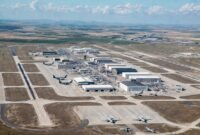
The program supports long-term operational readiness for the 97th Air Mobility Wing, ensuring Altus remains a premier training hub. Forward-thinking firms are already aligning resources for these opportunities under the Altus Air Force Base construction contract.lities post-construction, showing modernized hangars and training areas.]
Technical Requirements and Compliance Standards for Contractors
Contractors working under the Altus Air Force Base construction contract must strictly follow Federal Acquisition Regulation (FAR), Defense Federal Acquisition Regulation Supplement (DFARS), and Unified Facilities Criteria (UFC) standards. These ensure safety, quality, and mission compatibility on an active military installation. Key requirements include EM 385-1-1 safety protocols, environmental compliance (NEPA and stormwater management), physical security clearances, and detailed quality control plans. Recent 2026 DFARS updates focus on streamlining while upholding high standards for documentation and proactive risk management.
Success depends on robust submittal processes, testing protocols, and adherence to UFC guidelines for aviation facilities. Contractors must prepare for random audits and maintain detailed records throughout task orders.
| Compliance Area | Key Standards | Requirements for Altus AFB Projects |
|---|---|---|
| Safety | EM 385-1-1 | Daily safety briefings, PPE, fall protection |
| Quality Control | UFC 1-300-08 & FAR 52.246 | Three-phase inspection process, QC plans |
| Environmental | UFC 3-600-01 & NEPA | Spill prevention, waste management, dust control |
| Security | DoD 5200.08 & Base Instructions | Background checks, escort rules, OPSEC compliance |
| Technical Design | UFC Series (e.g., 4-211-01) | Hangar, utility, and training facility standards |
Meeting these standards under the Altus Air Force Base construction contract builds trust with the 97th Contracting Squadron and increases chances of follow-on task orders.
Role of Small Businesses and 8(a) Programs in the Altus Air Force Base Construction Contract
The Altus Air Force Base construction contract operates as an 8(a) set-aside, creating strong opportunities for socially and economically disadvantaged small businesses. This structure allows eligible firms to compete for task orders with less direct competition while receiving SBA support for business development, mentoring, and technical assistance.
Awardees in 2025-2026 demonstrated success through solid past performance, adequate bonding capacity, and teaming agreements with established partners. Small businesses benefit from streamlined sole-source possibilities and capacity-building resources that help them execute complex military projects confidently.
| Benefit Category | Description | Impact on 8(a) Contractors |
|---|---|---|
| Set-Aside Preference | 8(a) Program priority | Reduced competition, direct award potential |
| SBA Support | Mentoring, training, financing assistance | Improved bidding success and project delivery |
| Teaming Opportunities | Joint ventures with mentors | Access to larger projects and expertise |
| Past Performance | Credit for relevant federal work | Stronger evaluation scores |
| Long-term Growth | Multiple task orders over years | Revenue stability and capability building |
Participating in this Altus Air Force Base construction contract helps small businesses grow while contributing meaningfully to national defense infrastructure.
Case Studies of Successful Projects at Altus and Similar Bases
Successful projects under the Altus Air Force Base construction contract and similar MACCs demonstrate the value of strong planning and communication. One notable example involved a hangar renovation completed with zero training disruptions, delivered two weeks early through phased night work and excellent coordination with base operations.
Another case at a comparable Texas base featured HVAC and utility upgrades that improved energy efficiency by 28% while staying under budget. Lessons learned include proactive scheduling around flight operations, early stakeholder engagement, and rigorous quality checks.
| Project Type | Location | Key Outcomes | Lessons Learned |
|---|---|---|---|
| Hangar Modernization | Altus AFB, OK | On-time, zero downtime | Night shifts and daily coordination |
| Facility Renovation | Texas Base | 28% energy savings, under budget | Early utility mapping |
| Utility Infrastructure | California | Completed ahead of schedule | Strong supply chain contingency plans |
| Training Facility Upgrade | Ohio | Enhanced safety compliance | Comprehensive testing protocols |
These real-world successes under programs like the Altus Air Force Base construction contract highlight best practices that new contractors can adopt for reliable results.
Sustainability and Green Building Practices in Military Construction
Sustainability plays a growing role in the Altus Air Force Base construction contract. Projects incorporate LEED principles, energy-efficient systems, resilient design against Oklahoma weather extremes, and renewable integration where feasible. These practices reduce long-term operational costs and support DoD climate resilience goals.
Contractors use high-performance insulation, smart HVAC controls, water-efficient fixtures, and low-VOC materials while meeting strict UFC sustainability criteria.
| Sustainability Element | Implementation at Altus | Expected Benefits |
|---|---|---|
| Energy Efficiency | LED lighting, high-efficiency HVAC | 20-30% reduction in utility costs |
| Resilient Design | Storm-resistant roofing and structures | Better withstand extreme weather |
| Water Management | Low-flow fixtures, stormwater controls | Reduced consumption and runoff |
| Materials | Recycled content, low environmental impact | Lower carbon footprint |
| Renewable Integration | Solar-ready designs where approved | Future energy security |
By embracing these green practices, contractors on the Altus Air Force Base construction contract deliver facilities that perform better environmentally and operationally.
Challenges and Solutions in Executing Air Force Base Construction Contracts
Executing the Altus Air Force Base construction contract comes with challenges like Oklahoma’s extreme weather (high winds, tornado risks, dust), strict security protocols, supply chain delays, and labor shortages in rural areas. Solutions include detailed contingency planning, local subcontractor partnerships, and advanced scheduling tools.
Security requirements demand constant vigilance, while weather forces flexible work windows.
| Challenge | Common Issues | Effective Solutions |
|---|---|---|
| Weather Extremes | High winds, storms, extreme heat | Phased scheduling, weather monitoring |
| Security Protocols | Access restrictions, clearances | Pre-approved teams, escort management |
| Supply Chain | Material delays | Local sourcing, multiple suppliers |
| Labor Shortages | Skilled trades availability | Training programs, competitive wages |
| Operational Disruptions | Minimal impact on flight training | Night/weekend work, close base coordination |
Overcoming these through smart strategies ensures smooth delivery under the Altus Air Force Base construction contract.
How the Altus Air Force Base Construction Contract Supports KC-46 Training Mission
The Altus Air Force Base construction contract directly bolsters the KC-46A Pegasus training mission by delivering modernized hangars, maintenance facilities, simulator upgrades, and support infrastructure. These improvements increase aircraft availability and training throughput for the 97th Air Mobility Wing.
Recent upgrades focus on boom operator systems, fuel infrastructure, and crew readiness facilities that align with 2026 KC-46 readiness initiatives.
| Infrastructure Upgrade | Benefit to KC-46 Training | Timeline Impact |
|---|---|---|
| Maintenance Hangars | Better shelter and repair capabilities | Higher aircraft availability |
| Simulator Facilities | Modern training environments | Improved crew readiness |
| Fuel & Utility Systems | Reliable support operations | Reduced downtime |
| Crew Support Buildings | Enhanced living and training spaces | Better morale and retention |
This vital connection ensures the Altus Air Force Base construction contract remains central to America’s air mobility capabilities.
Contractor Resources, Tips, and Best Practices for 2026
Contractors pursuing the Altus Air Force Base construction contract should use SAM.gov alerts, APEX Accelerators for counseling, industry associations like AGC, and bonding specialists. Best practices include building strong past performance narratives, attending pre-bid site visits, and maintaining clear communication with contracting officers.
Ongoing training in federal compliance and safety standards is essential.
| Resource | Purpose | Recommendation |
|---|---|---|
| SAM.gov | Opportunity alerts & registration | Daily monitoring |
| APEX Accelerators | Free counseling for small businesses | Register early |
| SBA 8(a) Resources | Mentoring and development | Active participation |
| UFC Guidelines | Technical standards | Full team familiarization |
| Industry Groups | Networking and best practices | Attend conferences |
Following these tips improves success rates on the Altus Air Force Base construction contract and similar opportunities.
Regulatory Updates and Policy Changes Affecting Federal Construction in 2026
2026 brings significant FAR and DFARS overhauls aimed at streamlining procurement while maintaining quality and small business emphasis. Updates focus on revolutionary changes for efficiency, updated cost principles, and stronger support for 8(a) and socioeconomic programs.
Contractors on the Altus Air Force Base construction contract must stay current with these shifts to remain compliant.
| Update Area | Key Changes in 2026 | Impact on Contractors |
|---|---|---|
| DFARS Streamlining | Simplified processes | Faster task order awards |
| Small Business Focus | Enhanced 8(a) opportunities | More set-aside projects |
| Cost Principles | Updated allowability rules | Better financial planning |
| Sustainability | Stronger green requirements | Emphasis on resilient design |
| Cybersecurity | Enhanced data protection standards | Additional compliance steps |
Staying informed on these regulatory updates is critical for success under the Altus Air Force Base construction contract.
Community Engagement and Public Perception of Base Construction Activities
Strong community engagement enhances the success of the Altus Air Force Base construction contract. Transparent communication with local residents, businesses, and leaders in Altus and Jackson County builds positive perceptions and reduces project friction. Visible benefits like job creation and infrastructure improvements strengthen support.
Regular town halls, local hiring initiatives, and progress updates help maintain goodwill.
| Engagement Strategy | Implementation | Expected Outcome |
|---|---|---|
| Local Hiring | Prioritize Oklahoma workers | Economic benefits and community buy-in |
| Public Updates | Regular progress reports | Increased transparency |
| Business Partnerships | Subcontract with local firms | Stronger regional economy |
| School/Community Events | Safety demos and career days | Positive long-term perception |
| Environmental Stewardship | Visible green practices | Enhanced public approval |
Effective community engagement ensures smoother execution and lasting support for the Altus Air Force Base construction contract. USAA Pay Dates 2026: Complete Military & VA Deposit Calendar with Early Pay Guide 2026/2027USAA Pay Dates 2026: Complete Military & VA Deposit Calendar with Early Pay Guide 2026/2027Jobs in India: Opportunities, Growth, and the Changing Landscape of WorkJobs in Netherlands: Top 10 Opportunities, Sectors & Future

2 comments