




Hey Soldier, I’m a senior NCO with more than 15 years in the Army, (Army Career Counselor 79S Tips 2026) and I’ve worked closely with dozens of 79S Career Counselors over the years. If you’re an E-4 to E-7 trying to make smart moves with your career—whether it’s locking in a good reenlistment, chasing that next assignment, or just figuring out what’s best for you and your family—this guide is written like we’re sitting down at the smoke pit having a real conversation.
In 2026, the Army retention game has tightened up with performance-based incentives, updated reenlistment windows, and heavy use of IPPS-A. A good 79S can be your biggest ally. Let’s break it down straight.
1. How Army Career Counselor 79S Tips 2026 Can Help You
A 79S (Army Career Counselor 79S Tips 2026) Career Counselor isn’t just the person who hands you reenlistment papers—they’re your personal career navigator inside the retention system. In 2026, with HRC pushing more selective bonuses and commanders focusing on high performers, having solid advice from a 79S makes a real difference.
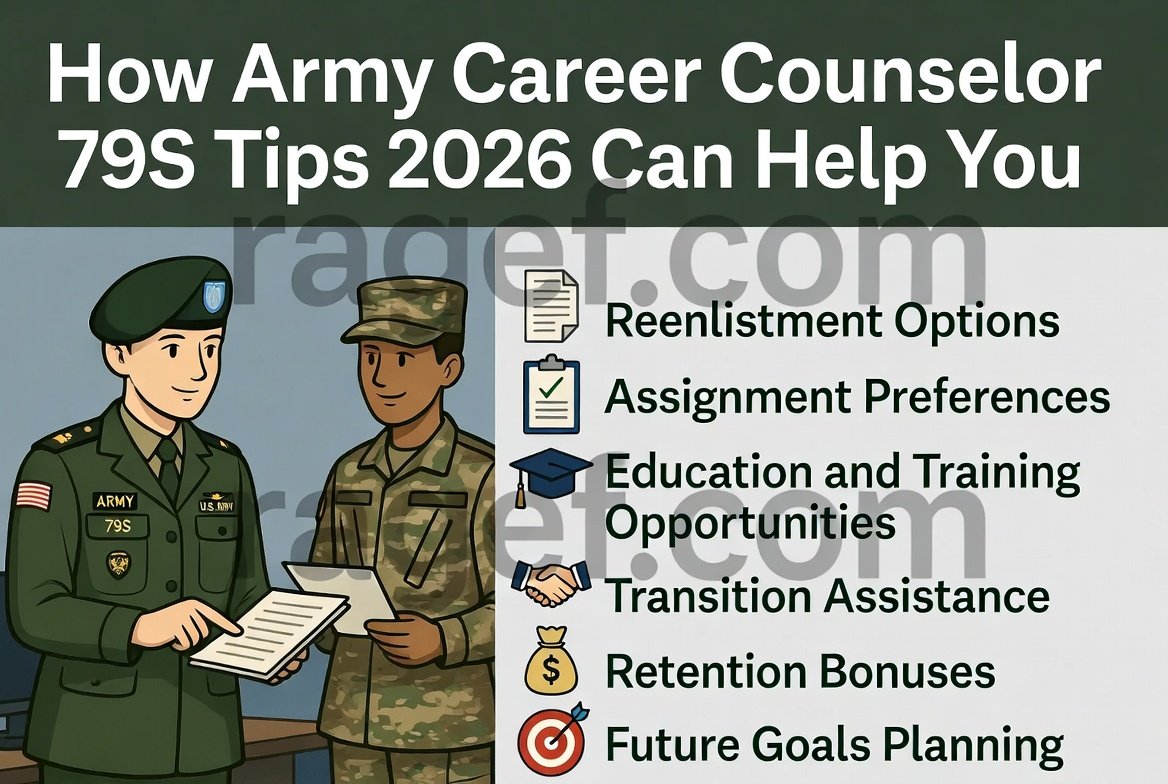
They help you understand your options under AR 601-280, explain the current Selective Retention Bonus (SRB) MILPER messages, and show you how to align your record with what the Army needs right now. Whether you want to stay in your current MOS, reclassify, or move to a high-demand skill, they know the inside track.
From my experience, Soldiers who build a strong relationship with their 79S early (around the 15-month mark before ETS) get better assignments, bigger bonuses when eligible, and fewer surprises at reenlistment time. Don’t wait until you’re at 90 days out—by then many good options are off the table.
2. Best Questions to Ask Using Army Career Counselor 79S Tips 2026
Walk into that first meeting prepared. Here are the smartest questions I tell my junior NCOs to ask:
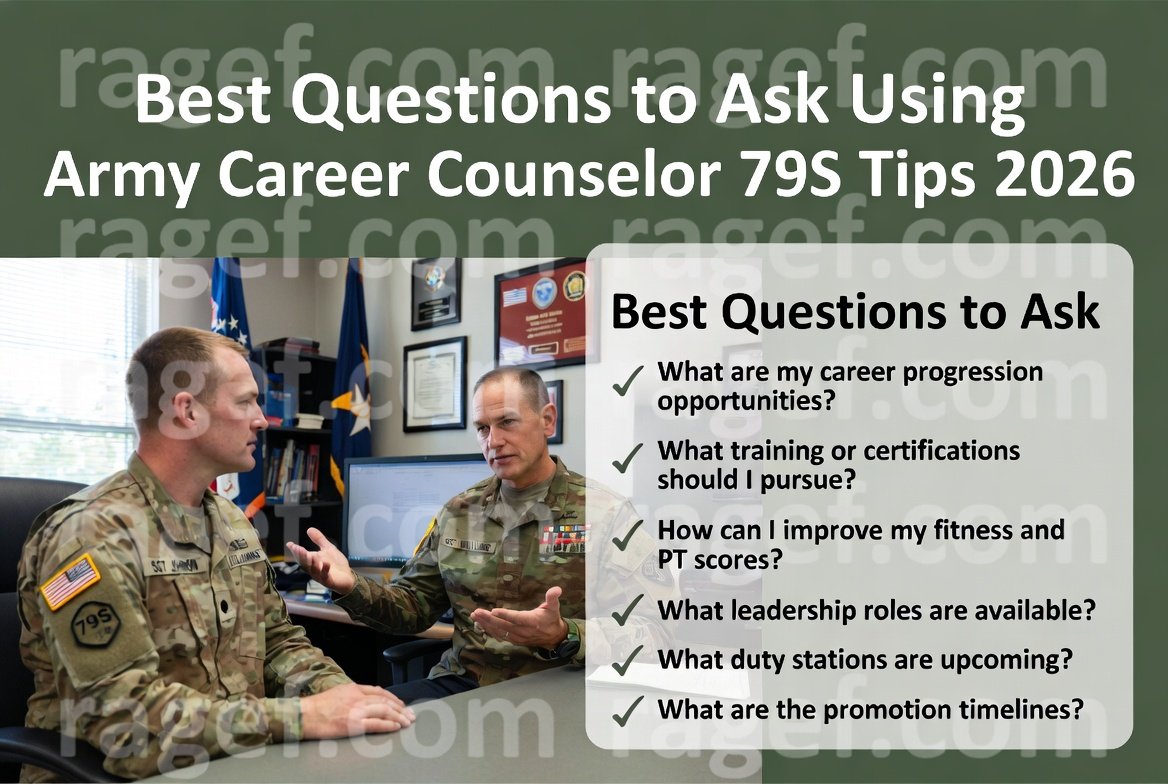
- What does my current record look like in IPPS-A, and how does it stack up for promotion and retention?
- Which MOSs are hot right now for my grade and what reclassification opportunities exist?
- Am I eligible for any SRB or tiered incentives under the latest MILPER?
- How will a reenlistment affect my assignment options through the Talent Marketplace?
- What schools or additional skill identifiers (ASIs) will strengthen my packet?
Ask for a full career counseling session using the DA Form 4591 or the digital version in IPPS-A. Take notes and follow up in writing. Good 79Ss will give you a retention interview that actually helps you build a 3-5 year plan, not just push paper.
3. Expert Retention Strategies from Army Career Counselor 79S Tips 2026
Retention in 2026 is more competitive and performance-focused. Top strategies that actually work:
- Get visible early: Start engaging your unit Career Counselor at the 15-month ETS window. With the 90-day reenlistment rule back in play since mid-2025, waiting means you lose flexibility.
- Build a strong file: Make sure your NCOERs, awards, and physical fitness scores are top notch. HRC and commanders now weigh performance heavily for bonuses and assignments.
- Consider longer commitments: Reenlisting for 4-6 years often unlocks higher tier SRBs in critical MOSs.
- Use the system: Leverage IPPS-A to update your skills, preferences, and profile so HRC sees you as a strong candidate.
I’ve watched E-5s who stayed proactive get stationed near family or into specialized training while others got “needs of the Army” assignments.
4. How 79S Helps Maximize Your SRB and Bonuses
The Selective Retention Bonus program is still one of the biggest tools in 2026, but it’s more selective now. Under recent MILPER guidance, bonuses favor high performers in hard-to-fill MOSs like cyber, intel, aviation maintenance, and certain combat arms.
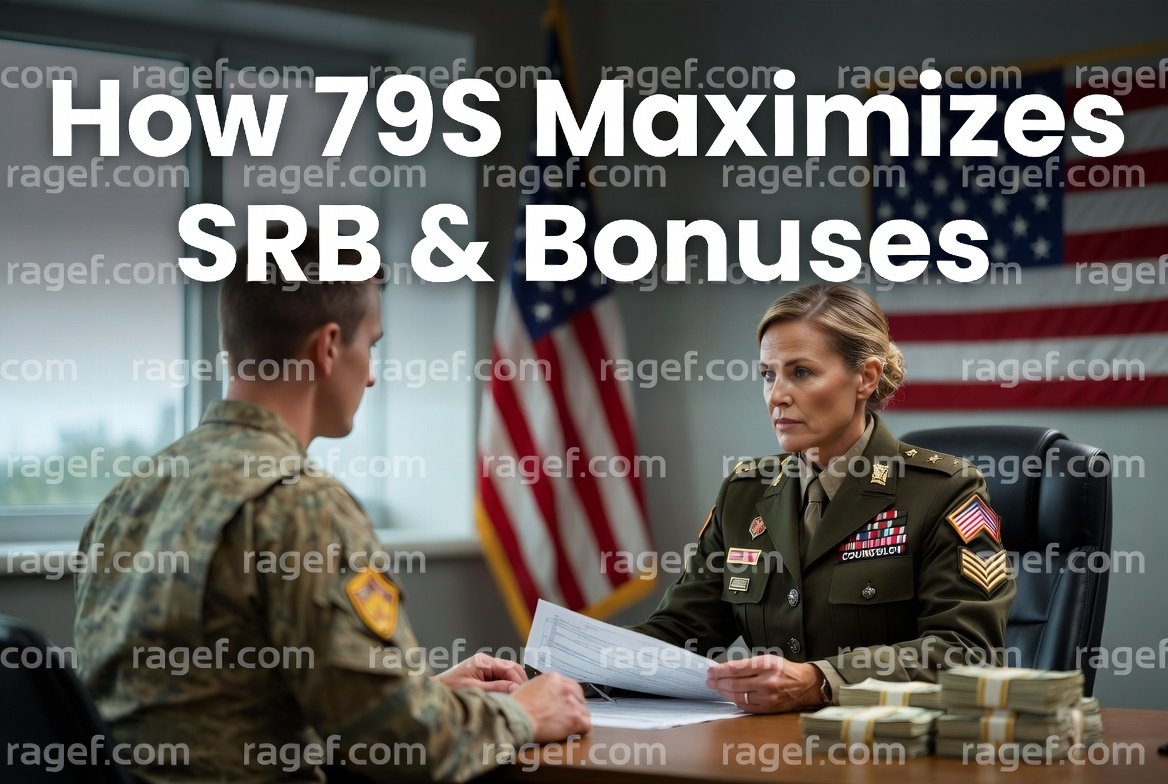
Your 79S can:
- Pull the latest SRB list and tell you exactly what tier you fall into.
- Help time your reenlistment to maximize the lump-sum payment.
- Advise on whether extending for a specific assignment or school qualifies you for extra incentives.
Example: A qualified E-6 in a critical MOS could see $20K–$80K+ depending on years reenlisted and performance tier. Don’t guess—have the 79S run your numbers.
5. Current Hot MOS and Retention Trends in 2026
As of 2026, the Army is prioritizing:
- Cyber and electronic warfare specialists
- Intelligence analysts with language skills
- Aviation and maintenance roles
- Certain infantry and armor MOSs with deployment demand
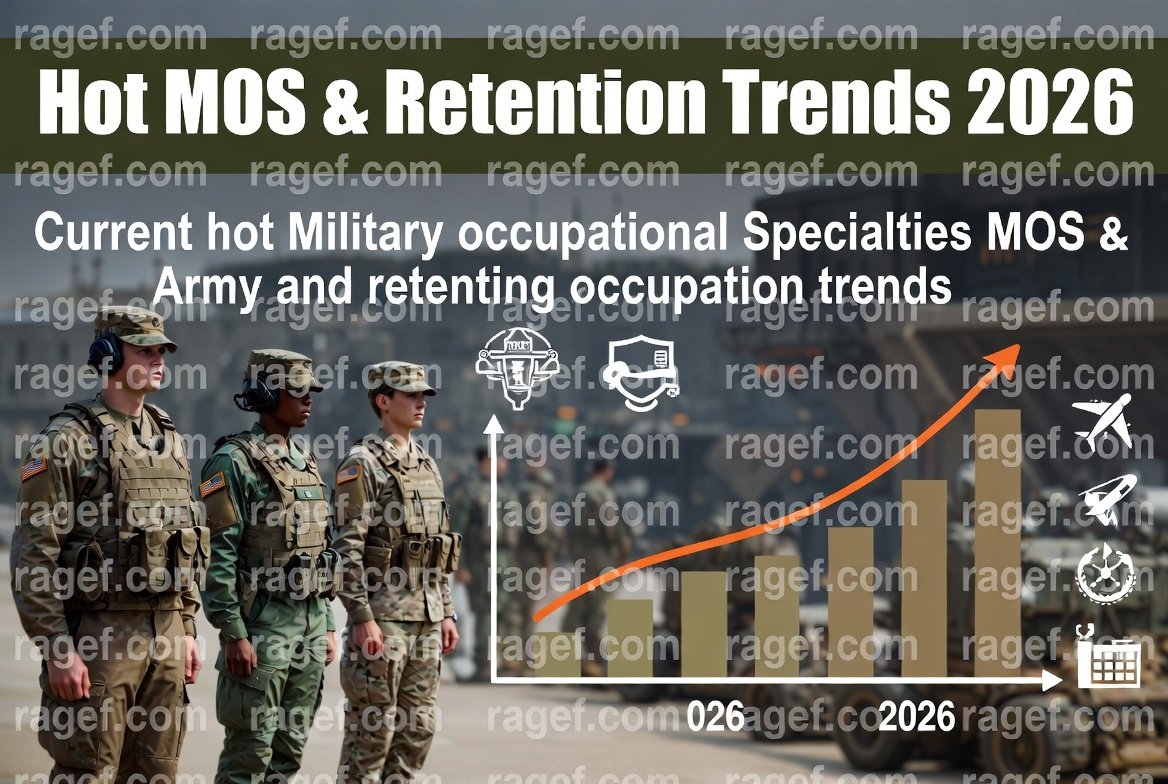
Performance-based retention is in full effect — strong PT scores, solid leadership evaluations, and additional qualifications push you higher in the priority list for bonuses and choice assignments.
Trends show longer service commitments are being rewarded more, and reclassification into shortage MOSs is easier if your record is clean. Talk to your 79S about what’s opening up in the Talent Marketplace.
6. Preparing Strong Reenlistment Package Tips
A strong reenlistment packet doesn’t happen by accident. In 2026, HRC and your command look at the full picture — not just time in service.
Step-by-Step Process:
- Meet your 79S at the 15–18 month ETS mark.
- Update everything in IPPS-A (skills, awards, education, family info).
- Gather documents: Latest NCOERs, DA Form 705 (PT), awards, certificates, and training records.
- Write a clear reenlistment intent statement (why you want to stay and what you bring).
- Get strong recommendations from your Chain of Command.
Pro Tip:
Have your 79S review your packet before submission. Clean packets get approved faster and often qualify for better incentives.
7. Balancing Army Needs with Your Personal Goals
This is where many Soldiers struggle. The Army always talks “needs of the Army,” but you can still protect your own goals.

Realistic advice:
- Be honest with your 79S about family preferences, location requests, and long-term plans (Germany, Korea, Fort Liberty, etc.).
- Use the Army Talent Marketplace (ATM) effectively — update your preferences every quarter.
- Consider compromises: Take a less desirable assignment if it comes with a big SRB or good school.
Quick Decision Table:
| Your Priority | Good Option | Risky Option |
|---|---|---|
| Family Stability | CONUS assignment + longer contract | Short extension + OCONUS |
| Money/Bonus | High SRB MOS + 4–6 year contract | Quick 2-year extension |
| Career Growth | Reclassification + schools | Staying in low-demand MOS |
| ETS / Transition | Extend 12 months to finish degree | Immediate ETS with weak record |
Talk openly with your 79S. Good counselors help you find the middle ground.
8. Mistakes That Hurt Your Reenlistment Chances

I’ve seen too many good Soldiers hurt their own chances. Avoid these common mistakes in 2026:
- Waiting until the last 90 days — options disappear fast.
- Poor PT scores or bad NCOERs right before reenlistment.
- Not updating IPPS-A or Talent Marketplace profile.
- Arguing with the 79S instead of working with them.
- Ignoring family readiness issues (spouse not on board, debt problems).
- Turning down reasonable assignments without good reason.
Fix: Start early, stay professional, and keep your record strong. One weak NCOER can drop your bonus tier significantly.
9. Using IPPS-A for Better Career Management
IPPS-A is now the heart of career management in 2026. Treat it like your personal career dashboard.

Actionable Ways to Use It:
- Regularly check and update your Assignment Preferences.
- Upload all training certificates and qualifications.
- Monitor your Retention Eligibility status.
- Review your full service history and projected promotion timeline.
- Use the self-service reenlistment tools.
Your 79S can pull reports from IPPS-A that show exactly how competitive you are. Make it a habit to log in every month and clean up your data.
10. Advice for NCOs on Promotions and Schools
For E-5s and E-6s especially, promotions and schools are tied directly to retention.
Key 2026 Advice:
- Focus on Military Schools (Air Assault, Pathfinder, Master Gunner, etc.) — they add points and make you more competitive.
- Strong recent NCOERs matter more than old ones.
- Get your Civilian Education up (at least 120 credit hours for E-7 promotion board).
- Ask your 79S which schools align with high-demand MOSs for better bonuses later.
Promotion & Retention Table:
| Grade | Key Focus Area | How 79S Helps |
|---|---|---|
| E-4/E-5 | Schools + Strong PT | Finds school slots + SRB options |
| E-6 | Leadership + Education | Prepares for Promotion Board |
| E-7 | Broadening Assignments | Guides strategic assignments |
11. Handling DCSS and Extension Decisions
DCSS (Date of Conditional Service Status) is one of the most important dates in your career timeline in 2026. This is the point where the Army decides whether they want to keep you or not.
Key Things to Know:
- Your 79S tracks your DCSS closely.
- If you’re a solid performer, you’ll usually get a positive DCSS.
- Negative DCSS can limit bonuses and assignment choices.
- Extensions (12-month, 24-month) are tools you can use strategically.
Action Steps:
- Check your DCSS status in IPPS-A 6–9 months before it hits.
- If you want to stay, start reenlistment paperwork early.
- Use short extensions only if you need time to fix something (PT, education, family issues).
- Discuss all options with your 79S before signing anything.
Never sign an extension without understanding how it affects your long-term goals.
12. Family Considerations in Career Planning
Your family is a huge part of retention decisions — and smart 79Ss know this.
Important Advice:
- Be upfront with your Career Counselor about spouse employment, children’s schooling, and family health needs.
- Look for assignments with good Family Readiness Groups and support services.
- Consider CONUS-based locations if you have young kids or aging parents.
- Dual-military couples should coordinate assignments through the Joint Domicile Program.

Family Decision Table:
| Family Situation | Best Reenlistment Strategy | What to Ask Your 79S |
|---|---|---|
| Young Children | Longer contract + stable CONUS base | School districts & housing options |
| Working Spouse | Assignments near major cities | Civilian job market support |
| Special Needs Family Member | Medical facilities nearby | Exceptional Family Member Program |
| No Kids / Single | OCONUS or high SRB locations | Deployment tempo & bonus tiers |
A good 79S will help you find assignments that support both the Army mission and your family.
13. When to Discuss ETS and Transition Options
Even if you love the Army, you should always have an exit strategy.
Best Time to Talk:
- 18–24 months before ETS is ideal.
- Discuss civilian transition, GI Bill, skill translation, and possible AGR or Reserve options.
- Your 79S can connect you with Transition Assistance Program (TAP) counselors.
Many Soldiers wait too long and miss good opportunities. Whether you plan to stay 20 years or get out at your first contract, have an honest conversation around the 15-month mark.
14. Advanced Tips from Experienced 79S Counselors
From working with many senior 79Ss over the years, here are advanced moves that separate average careers from excellent ones:
- Stack Qualifications: Get ASIs, language pay, and airborne/air assault badges — they increase your market value.
- Use the Talent Marketplace aggressively — update it every 90 days.
- Build relationships early — don’t treat your 79S as just a reenlistment guy.
- Consider Reclassification into critically short MOSs if your current one is overstrength.
- Track MILPER messages yourself — don’t rely only on your counselor.
Experienced 79Ss say the best Soldiers treat retention like a chess game — always thinking 2–3 moves ahead.
15. What I Wish I Knew About Working with Career Counselors
If I could tell my younger E-5 self:
- Start building a relationship with your 79S the day you arrive at a new unit.
- They are not the enemy — they work within the system to help you.
- Bring solutions, not just problems.
- Keep detailed records of every meeting.
- The Army is a business — performance and timing matter more than emotion.
- Your 79S can be your strongest advocate if you earn their respect.
The biggest lesson: Career management is a team effort between you, your leadership, and your Counselor.
Conclusion
Soldier, your Army career is one of the most important investments you’ll ever make. A strong 79S Career Counselor can be the difference between a good career and a great one. Stay proactive, keep your record clean, use IPPS-A wisely, and always think about both the Army’s needs and your family’s future.
The retention game in 2026 rewards prepared, high-performing NCOs. Start early, ask good questions, and treat every decision like it matters — because it does.
FAQs
- When should I first talk to my 79S?
Best time is 15–18 months before your ETS date. - Is there a fee for talking to a Career Counselor?
No, it’s completely free — it’s their job. - Can a 79S guarantee me a specific assignment?
No, but they can help you become competitive for the ones you want. - What if I have a weak NCOER?
Focus on strong performance now — one bad report doesn’t kill your career if the rest are good. - Does reenlisting affect my GI Bill?
Usually not negatively, but check with Education Center. - Can I reenlist for a bonus and then get out early?
Not recommended — it can affect future benefits and bonuses. - How accurate is IPPS-A?
Very accurate in 2026, but always double-check your own data. - What’s the minimum time I can reenlist for?
Usually 2 years, but depends on your current ETS and Army policy. - Should I reclassify if my MOS is overstrength?
Yes, if the new MOS offers better bonuses and opportunities. - Can my family attend the reenlistment ceremony?
Yes — most units encourage family involvement. - What happens if I miss my DCSS window?
You may lose bonus eligibility and get limited assignment choices. - Is it better to reenlist at my current unit or after PCS?
Usually better before PCS so you can negotiate better terms.
Leave a Reply